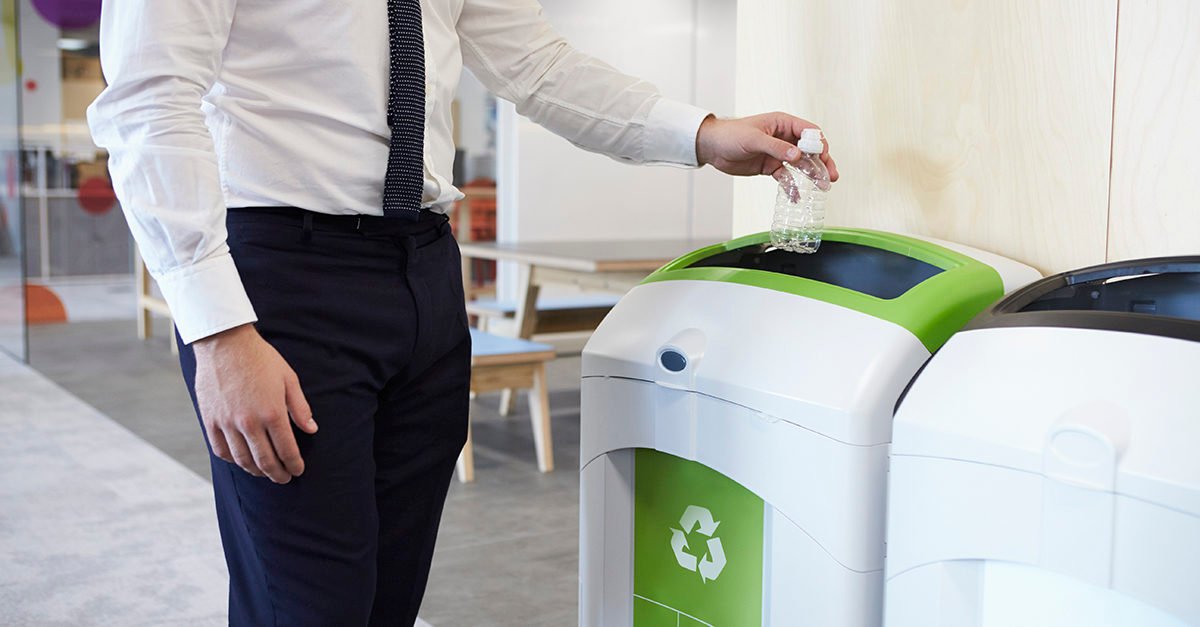
Is waste stream elimination the future of sustainable manufacturing and supply chains? Many experts in Sustainable Manufacturing, Supply Chain Management, and the Circular Economy believe the answer is yes.
Today, industries face growing pressure from Environmental Regulations, rising costs, and customer demand for cleaner products. At the same time, waste is everywhere—raw materials, packaging, energy, and even time. This is where Waste Stream Elimination comes in.
In simple terms, waste stream elimination means cutting waste at every stage. Instead of throwing things away, businesses reuse, reduce, or redesign processes. This idea connects closely with Lean Manufacturing, Zero Waste, and Resource Efficiency.
Table of Contents
What Is Waste Stream Elimination and Why It Matters
Simple Explanation for Beginners
Waste Stream Elimination means removing waste before it even happens. It is not just about recycling. It is about stopping waste at the source.
For example, instead of producing extra material and discarding it, a factory improves its process to use just enough. This idea is a key part of Lean Manufacturing and Process Optimization.
In supply chains, it can mean smarter shipping, better packaging, and fewer returns.
How It Differs from Recycling
Recycling is helpful, but it comes later. Waste stream elimination comes first.
- Recycling deals with waste after it is created
- Waste Stream Elimination prevents waste from being created
This approach aligns with the Circular Economy, where materials stay in use longer. It also reduces pressure on Landfills and lowers pollution.
Key Benefits for Businesses and Communities
Waste stream elimination offers clear benefits:
- Lower production costs
- Less material waste
- Better energy use
- Cleaner environments
- Stronger brand trust
It also helps companies meet Sustainability Goals and follow Environmental Compliance rules. Communities benefit from cleaner air, water, and less trash.
Waste Stream Elimination in Manufacturing
Reducing Material Waste on Production Lines
In Manufacturing Systems, waste often comes from overproduction or defects. By improving quality and planning, companies can reduce scrap materials.
Tools from Lean Manufacturing help identify waste points. These include steps that do not add value, such as delays or excess motion.
Reusing Byproducts Instead of Discarding Them
Many industries now reuse byproducts. For example, leftover materials can become inputs for other processes.
This practice supports Industrial Symbiosis, where one process feeds another. It also eliminates the need for new raw materials.
Lean Manufacturing and Waste Reduction
Lean Manufacturing focuses on doing more with less. It targets seven types of waste, including overproduction and defects.
By applying lean tools, factories can:
- Improve efficiency
- Reduce downtime
- Cut unnecessary steps
This approach is a major driver of Operational Efficiency and cost savings.
How the Food Industry Minimizes Waste Streams
Turning Food Waste into New Products
In the Food Supply Chain, waste is a big issue. But many companies now turn food waste into new products.
Examples include using fruit peels for oils or converting leftovers into animal feed. This supports the idea of Waste-to-Value Systems.
Smarter Inventory and Storage Practices
Better planning reduces spoilage. Using Inventory Management Systems, businesses track stock in real time.
This helps avoid over-ordering and ensures products are used before they expire.
Composting and Organic Waste Solutions
Organic waste can be composted instead of dumped. Composting supports Soil Health and reduces methane emissions from landfills.
It is a simple but effective way to handle food waste.
Waste Reduction in Healthcare Systems
Managing Medical Waste Safely
Healthcare produces large amounts of waste. Proper handling is key to safety.
Medical Waste Management Systems help sort and treat waste correctly. This reduces risks to both people and the environment.
Reducing Single-Use Materials
Hospitals rely on single-use items for hygiene. However, many are now switching to reusable or safer alternatives.
This shift supports Sustainable Healthcare Practices and reduces waste streams.
Sustainable Procurement in Hospitals
Hospitals can choose suppliers that follow Green Procurement rules. This means buying products with less packaging and longer life cycles.
It helps cut waste before it enters the system.
Construction and Building Waste Management
Reducing Material Waste on Site
Construction sites often waste materials due to poor planning. Using Building Information Modeling (BIM) helps plan projects better.
This reduces errors and avoids excess material use.
Recycling Concrete, Wood, and Metals
Materials like concrete and steel can be recycled. This supports Construction Waste Management and reduces landfill use.
Recycling also lowers the demand for new raw materials.
Designing Buildings with Less Waste in Mind
Smart design plays a big role. Sustainable Architecture focuses on efficient layouts and materials.
Designing for reuse and durability helps reduce waste over time.
Waste Stream Elimination in Daily Life
Easy Changes at Home
People can reduce waste at home with small steps:
- Use reusable bags
- Avoid single-use plastics
- Buy only what is needed
These actions support Zero Waste Living.
Reducing Plastic and Packaging Waste
Packaging is a major waste source. Choosing products with less packaging helps reduce waste streams.
This also encourages companies to adopt Sustainable Packaging solutions.
Reuse and Repair Instead of Replace
Fixing items instead of throwing them away extends their life. This reduces demand for new products.
It also supports the idea of Product Life Cycle Extension.
Role of Technology in Eliminating Waste Streams
Smart Tracking and Waste Monitoring Systems
Technology helps track waste in real time. Waste Monitoring Systems show where waste happens.
This allows quick action and better planning.
Automation and Process Optimization
Automation improves accuracy and reduces errors. Fewer errors mean less waste.
Process Optimization Tools help refine workflows and improve output quality.
AI and Data-Driven Waste Reduction
Artificial Intelligence (AI) analyzes data to find patterns. It can predict waste and suggest improvements.
This makes waste reduction more precise and effective.
Challenges in Waste Stream Elimination
Cost and Implementation Barriers
Starting new systems can be expensive. Small businesses may struggle with initial costs.
However, long-term savings often outweigh these costs.
Lack of Awareness and Training
Many workers do not know how to reduce waste. Training is important.
Education on Sustainability Practices helps teams adopt new methods.
Regulatory and Compliance Issues
Rules can vary by region. Companies must follow Environmental Regulations.
This can make implementation complex but also ensures safer practices.
Future Trends in Waste Stream Elimination
Circular Economy Models
The Circular Economy is growing fast. It focuses on reuse, repair, and recycling.
This model supports long-term sustainability and reduces waste streams.
Zero-Waste Initiatives
Many industries aim for Zero Waste. This means sending no waste to landfills.
It requires strong planning and commitment but offers big benefits.
Sustainable Product Design
Designing products for reuse and recycling is key. Eco-Design reduces waste from the start.
It also improves product life cycles and resource use.
Conclusion
Waste stream elimination is more than a trend. It is becoming a core part of Sustainable Manufacturing and modern Supply Chain Management.
By reducing waste at the source, businesses save money, improve efficiency, and protect the environment. From factories to homes, the impact is clear.
While challenges exist, the shift toward the Circular Economy, Zero Waste, and smarter technologies shows strong progress.
So, is waste stream elimination the future? All signs point to yes. As industries evolve, cutting waste will not just be an option—it will be a necessity for long-term success.